BLCU Continuing Education College
Chinese Language Education Platform

Sign Up
Log in
BLCU Continuing Education College
Chinese Language Education Platform
Compared with HSK 2.0, the HSK 3.0 version places more emphasis on comprehension, independent expression, and practical use of Chinese.
In this article, the final part of our series, we will look at the key changes at HSK Level 6.
There is an important update regarding the transition from HSK 2.0 to HSK 3.0.
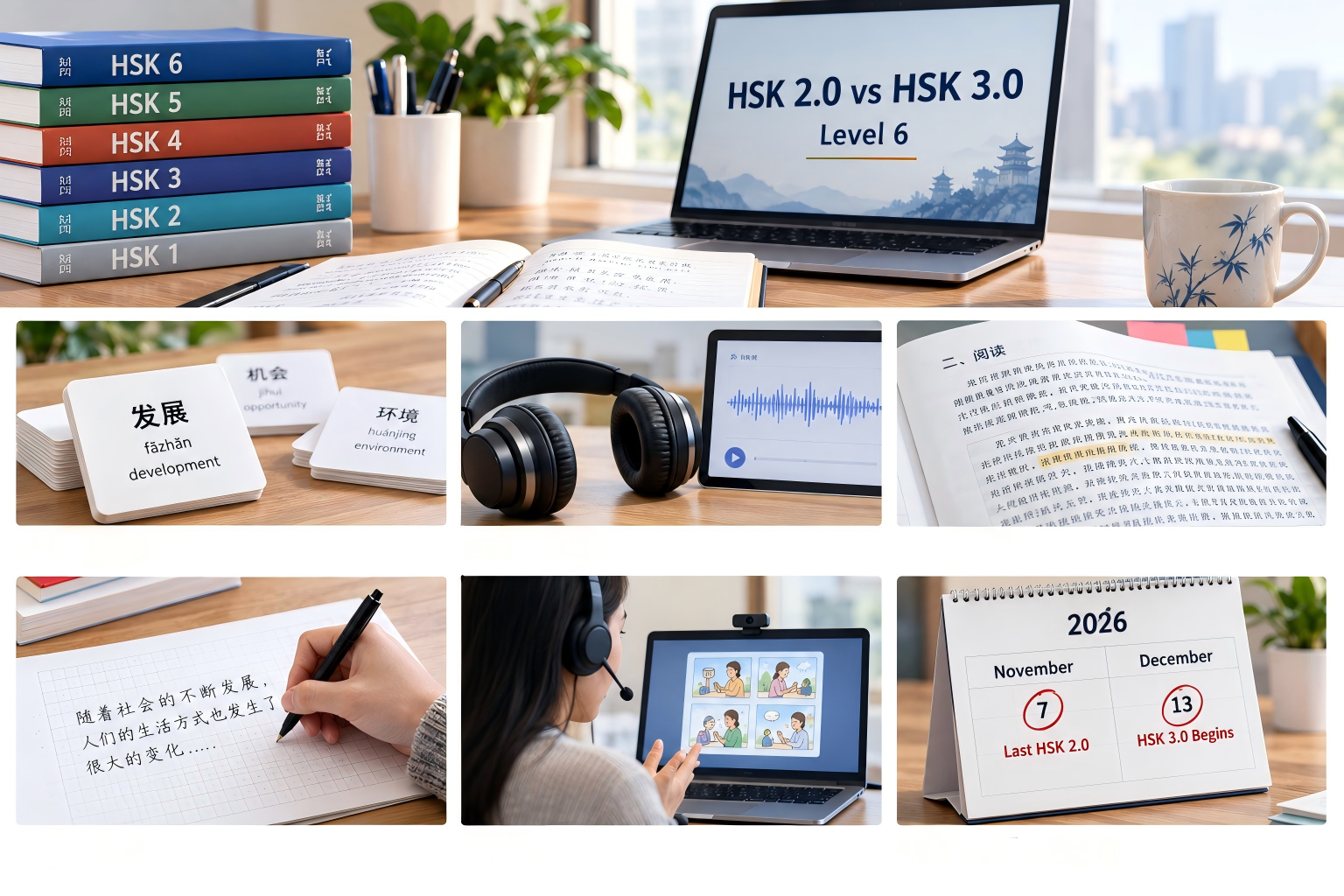
According to the latest announcement from Chinese Testing International (CTI), HSK 3.0 will officially launch worldwide on December 13, 2026. The November 7, 2026 test will be the final regular HSK Level 1–6 examination under the current HSK 2.0 system. From December 13, HSK 3.0 will be used for HSK Levels 1–6.
This means the transition to HSK 3.0 is now officially scheduled. For students preparing for future HSK exams, understanding the changes is becoming increasingly important.
The vocabulary requirement at HSK 6 increases from approximately 5,000 words in HSK 2.0 to 5,400 words in HSK 3.0.
That is an increase of around 400 words.
While the increase is smaller than at some lower levels, HSK 6 already requires a large vocabulary, so students need to be comfortable with a wider range of Chinese vocabulary and expressions.
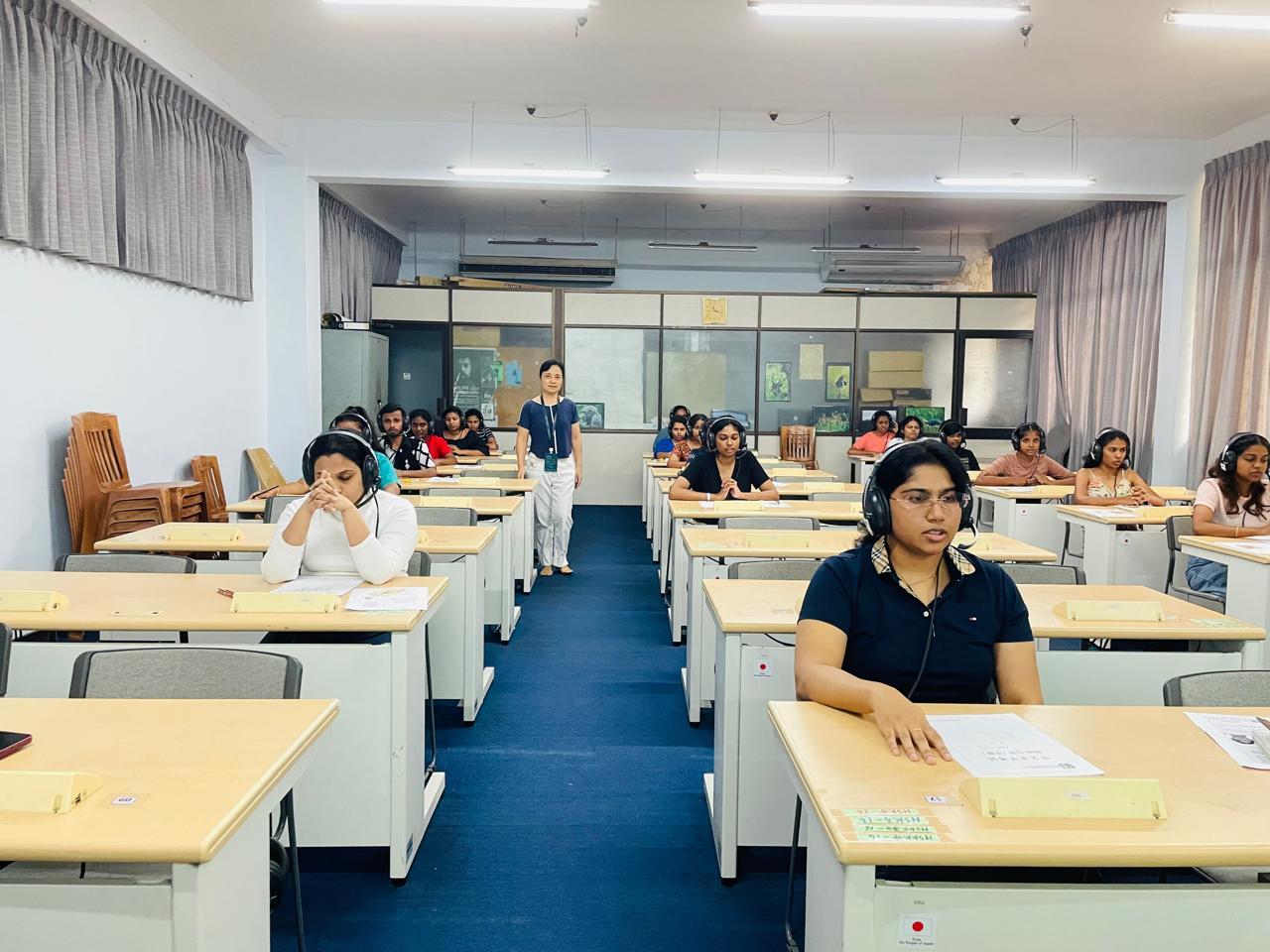
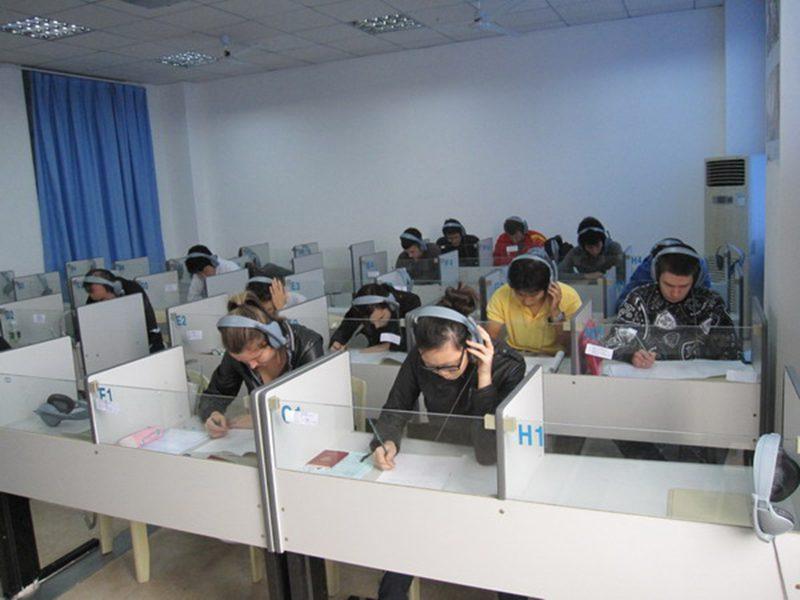
The overall listening structure changes, but the main question types remain familiar.
· Part 1: Listen to a short passage and choose the statement that matches it
→ 15 questions → 8 questions
· Part 2: Listen to a short passage and answer questions
→ 20 questions, with the question type remaining
· Part 3: Listen to longer dialogues/passages and answer questions
→ 15 questions → 12 questions
Overall, there are fewer listening questions, with some of the easier questions removed.
This means students need to understand the main information and details of longer or more complex content rather than relying on individual words or simple clues.
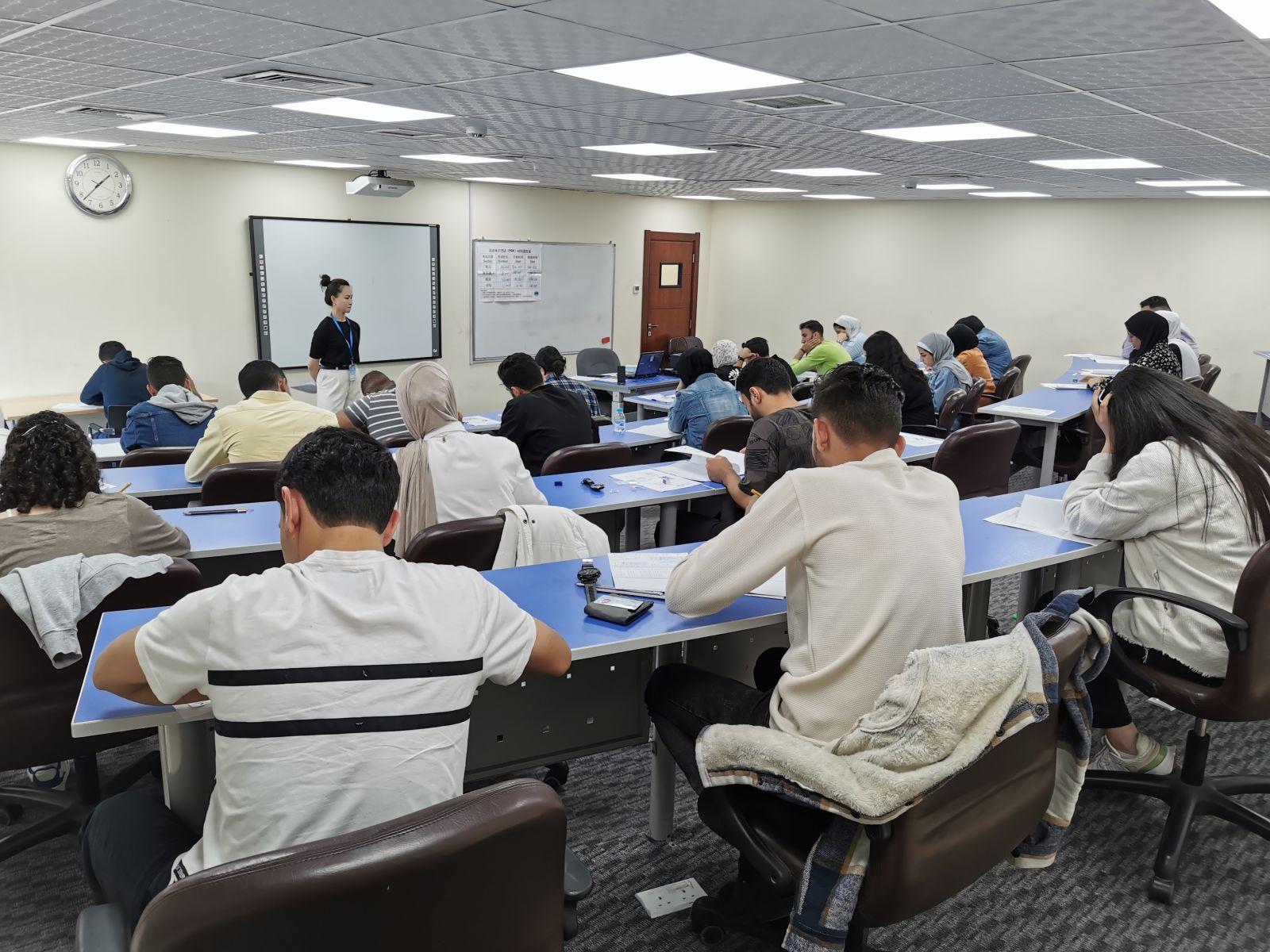
There are also several changes to the HSK 6 reading section.
The first part included choosing the sentence that was incorrect.
This type of question is removed.
The cloze section is also changed: the reading passage becomes longer, requiring students to understand more context before choosing the correct answer.
Other reading tasks, such as sentence insertion and reading comprehension, remain.
Overall, the reading section places greater emphasis on understanding the meaning and structure of longer texts.
Writing is one of the most significant changes at HSK 6.
There was one writing task:
· Read a passage
· Rewrite or summarize it
· About 400 Chinese characters
There are now two writing tasks:
· Task 1: Practical writing, about 150 Chinese characters
· Task 2: An argumentative or narrative composition of at least 300 Chinese characters
The biggest difference is that students now need to organize and produce two independent pieces of writing.
There is no additional time for the increased writing requirements, so students need not only strong Chinese skills but also the ability to organize ideas and write efficiently under time pressure.
Speaking also becomes more focused on independent language use.
Under HSK 2.0, HSK 5 and HSK 6 shared the same advanced HSK Speaking test.
In HSK 3.0, the speaking requirements are separated by level.
For HSK 6, the original reading-aloud task is removed and replaced by a task involving four sequential pictures, requiring students to tell a story or describe what is happening.
This reduces mechanical repetition and places greater emphasis on spontaneous and independent spoken expression.
The changes at HSK 6 are not simply about learning more vocabulary.
HSK 3.0 puts greater emphasis on the ability to:
· Understand longer and more complex content
· Organize information
· Express ideas independently
· Write under time pressure
· Use Chinese naturally in speaking and writing
For advanced learners, this means preparation should go beyond memorizing vocabulary and practicing question types. Students also need regular practice in reading, writing, speaking, and expressing their own ideas in Chinese.

With HSK 3.0 officially launching on December 13, 2026, the difficulty and requirements of the HSK exam will increase significantly, especially in areas such as vocabulary, reading, writing, and independent language expression.
If you are planning to take the HSK exam, we recommend that you consider completing your exam before the transition to HSK 3.0 in December, if your preparation allows. The November 7, 2026 exam will be the final regular HSK 1–6 test under the current HSK 2.0 system.
At eBLCU, our current HSK courses are still based on the HSK 2.0 curriculum and materials. We plan to gradually update our course content from around November to prepare for the transition to HSK 3.0.
Whether you are preparing for the current HSK 2.0 exam or getting ready for the new HSK 3.0, building a solid foundation in Chinese is essential.
Planning to take the HSK? Start preparing with eBLCU!
We offer online HSK courses from HSK 1 to HSK 6, with both small-group and 1-on-1 classes, taught by experienced Chinese teachers.
Learn more and register:
www.eblcu.com/hsk
· Part 6: HSK Level 6
This completes our overview of the key changes from HSK 2.0 to HSK 3.0 across HSK Levels 1–6.