BLCU Continuing Education College
Chinese Language Education Platform

Sign Up
Log in
BLCU Continuing Education College
Chinese Language Education Platform
As the Chinese Proficiency Test (HSK) continues to evolve, the transition from HSK 2.0 to HSK 3.0 marks a significant shift in how learners are assessed—especially at the HSK 3 level.
Compared with the previous version, the new HSK 3.0 not only increases vocabulary requirements but also places greater emphasis on practical language use, independent thinking, and active expression.
One of the most noticeable changes is the expansion of vocabulary.
· HSK 2.0: 600 words
· HSK 3.0: 1000 words
· Increase: +400 words
This substantial increase means learners are expected to understand and use a much wider range of vocabulary in real-life contexts.
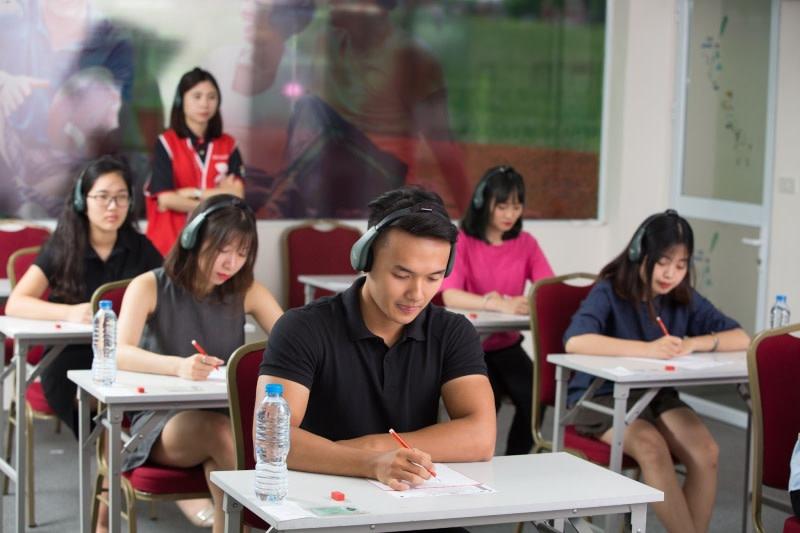
The listening section has been redesigned to reduce simple judgment tasks and focus more on comprehension.
What’s changed:
· The previous true/false sentence judgment questions have been removed
· New format requires students to listen to a sentence and choose the correct answer from A, B, or C
This change shifts the focus from guessing to accurate listening comprehension
The reading section retains some familiar formats but introduces more challenging tasks.
Key updates:
· The first two question types remain largely the same
· The third part is now more difficult:
o Includes short passage reading
o Requires answering multiple questions based on a passage
Learners must now demonstrate stronger contextual understanding and reading skills, rather than relying on isolated sentence recognition
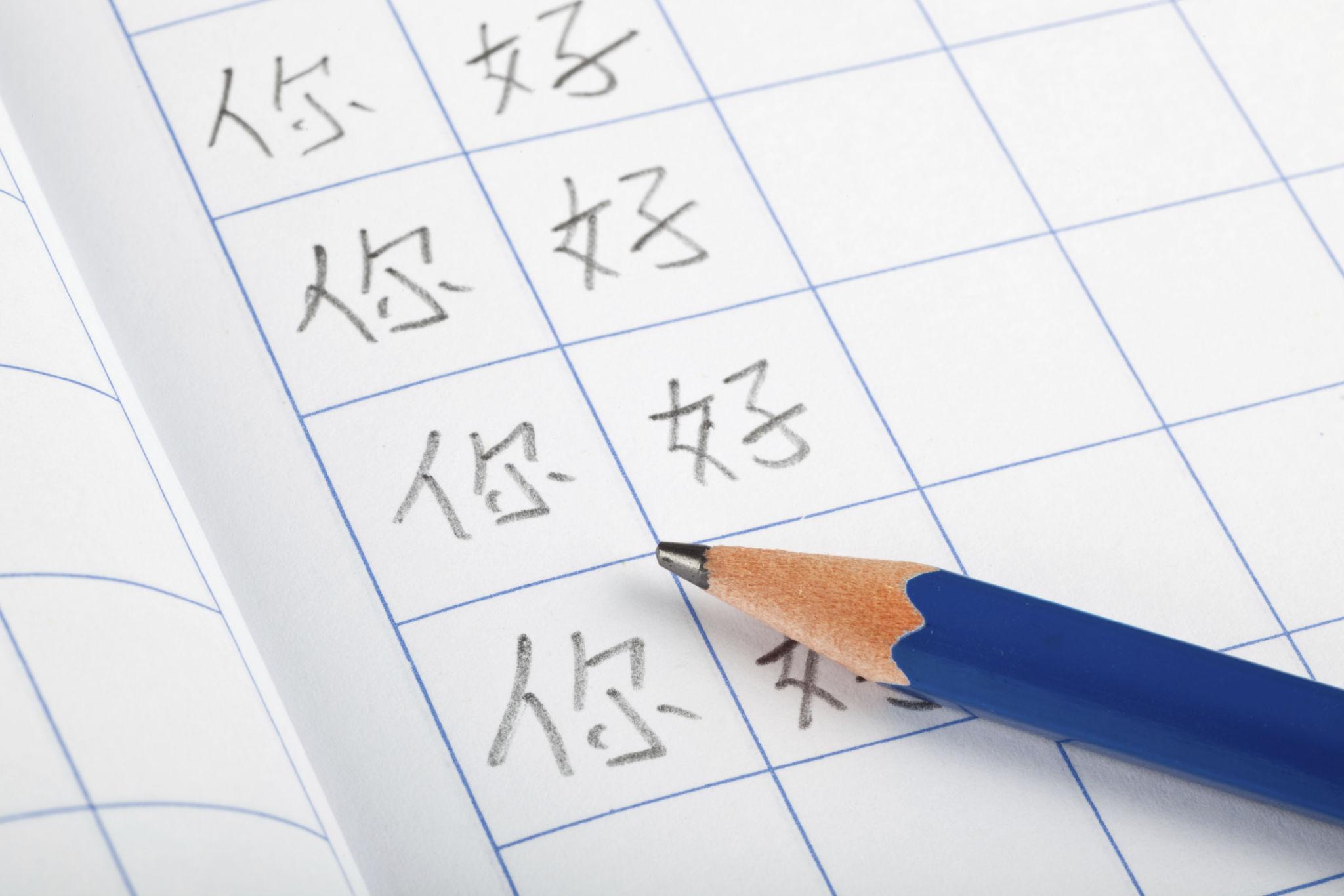
The writing section has become more demanding in HSK 3.0.
Major changes include:
· The original sentence reordering task has been removed
· The previous character writing task (based on pinyin and context) is now the first question
· A new task has been added:
o Create sentences using given pictures and keywords
This means students must not only recognize characters, but also actively produce language
The speaking test (HSKK Beginner → HSK 3 speaking) has also been upgraded.
What’s changed:
· The first task (repeat sentences) remains the same
· The second task (answering questions briefly) has been removed
· It is replaced with a picture description task
· The third task (answering questions with a longer response) remains
The new format focuses more on spontaneous speaking and real-life communication ability
Overall, the HSK 3.0 exam is clearly more challenging than HSK 2.0.
Main trend:
· Fewer simple tasks (true/false, reordering, short answers)
· More tasks requiring:
o Independent thinking
o Sentence construction
o Active speaking and writing
Learners are expected to:
· Have stronger character writing skills
· Demonstrate real communication ability
· Use Chinese more actively and naturally

The upgrade from HSK 2.0 to HSK 3.0 is not just about difficulty—it reflects a shift toward practical language proficiency.
If you're preparing for HSK 3, it’s important to:
· Expand your vocabulary
· Practice writing Chinese characters
· Improve listening and reading comprehension
· Develop confidence in speaking
As the HSK 3.0 exam becomes more demanding, having the right learning strategy is more important than ever.
At eBLCU (Beijing Language and Culture University Online), we offer structured and flexible HSK preparation courses designed to help you succeed under the new exam format.
Our courses include:
· HSK preparation for all levels (HSK 1–6)
· Experienced and certified teachers
· 1-on-1 and small group classes
· Flexible scheduling for global learners
· Focus on listening, reading, writing, and speaking skills
Whether you're transitioning from HSK 2.0 or starting fresh with HSK 3.0, our courses will help you build a strong foundation and improve your real Chinese communication skills.
Start your learning journey today:
www.eblcu.com
Contact us via WeChat: eBLCU82303820